
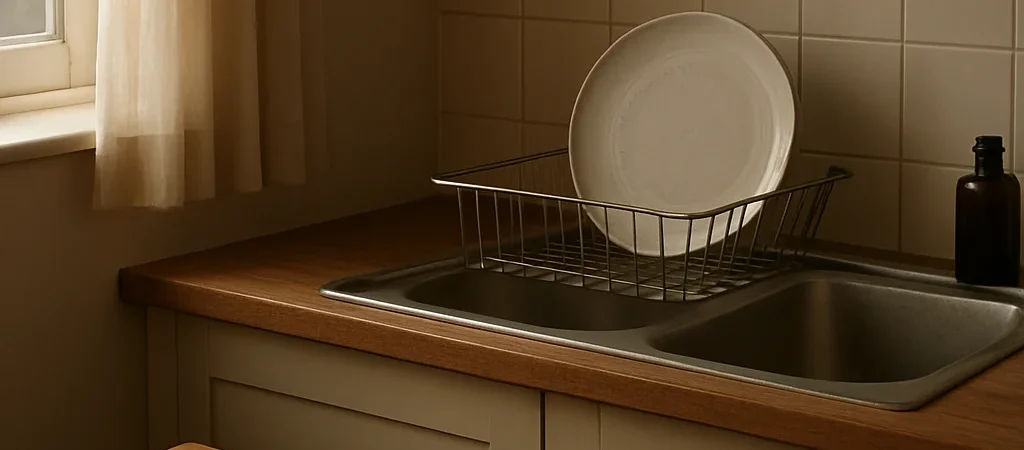
After the argument, I stood at the sink rinsing a plate that was already clean. The kitchen light was too bright, and neither of us seemed willing to be the first person to make a normal sound. I kept replaying one sentence I had said because it was sharper than what I meant, and still close to what I felt.
The Part That Stayed
I used to think the end of an argument would feel like a clear ending: someone says the right thing, the air changes, and you move on. This one left a residue instead. We put the plates away and talked about tomorrow, but the sentence was still sitting between those small tasks.
An Apology With Edges
When I apologized, I wanted the apology to be received as proof that I was a good person underneath the moment. That wasn’t fair to the person I’d hurt, and it wasn’t quite honest about what had happened. I could say I regretted the way I spoke without pretending my frustration had appeared from nowhere.
Not Every Silence Is Resolved
We didn’t finish the conversation that night. I went to bed still unsure what would change, and the next morning we spoke carefully over coffee. I’m learning that an apology can be a beginning without being a tidy ending. Sometimes the truest thing I can offer is to remember the exact sentence, and not hide behind the fact that I was upset.